Ice Dam Water Damage in Rochester, MN
An ice dam pushes meltwater under the shingles and into exterior walls, ceilings and insulation. The restoration team traces it with thermal imaging and dries the structure before it stains, sags or grows mold.
(888) 432-4933Ice dam leaking inside? Call now.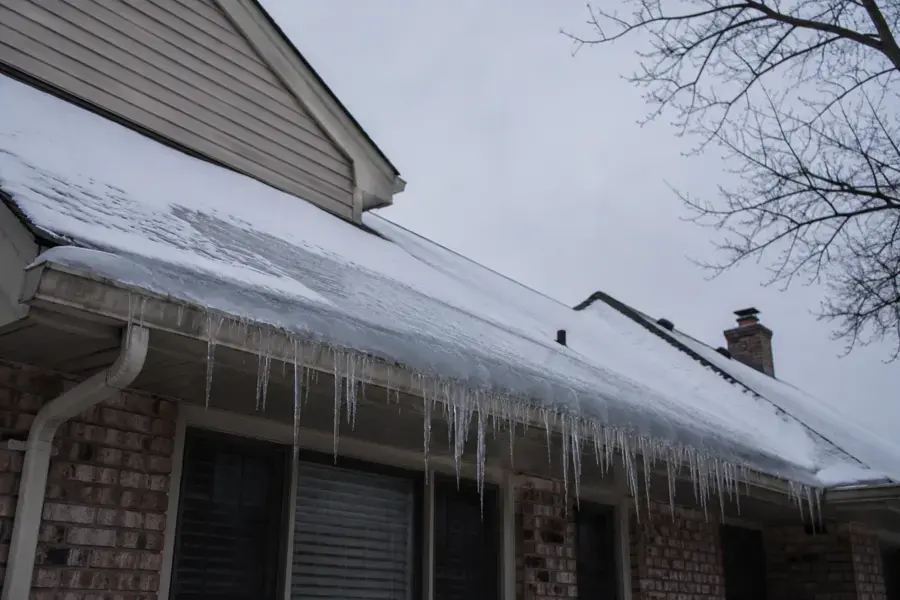
How ice dam water damage cleanup is handled in Rochester, MN
- 01
Walkthrough
The tech who does the walkthrough maps every wet material with pinless meters and thermal imaging and sets the category and class of the loss.
- 02
Extraction
The extraction crew pulls standing water with truck-mounted units, lifts saturated pad and cuts only what the readings say is lost.
- 03
Drying
The drying team sizes air movers and LGR dehumidifiers to each room's evaporation load and logs psychrometric readings every day.
- 04
Verification
Equipment leaves when wet materials read within 2 to 4 points of a dry reference, which is the IICRC S500 goal, and the file is closed with photos and logs.
What does ice dam water damage cleanup cost in Rochester, MN?
In Rochester, MN, ice dam water damage cleanup typically runs $1,200 to $6,500, depending on how many walls and ceilings are wet, how much attic insulation must come out and whether plaster is involved.
- Thermal scan and meter checks
- Small access holes
- Three to five drying days
- Ceiling sections opened
- Wet insulation removed
- Cavity drying
- Plaster walls and ceilings
- Attic insulation along the eaves
- Longer drying period
What moves the number: number of wet walls and ceilings, drywall versus plaster, attic insulation removal and how fast drying started. For a closer planning range, try the water damage cost calculator. These are typical ranges, not quotes.
What to do when an ice dam leaks inside
- 1
Catch the drip. Buckets and towels under active leaks, furniture moved away.
- 2
Poke a sagging ceiling safely. A small hole at the low point drains trapped water into a bucket.
- 3
Stay off the roof. Ice and snow removal is dangerous work for a roofer.
- 4
Call for drying. Water inside the wall is bigger than the stain shows.
Ice dams are a Rochester winter fixture. Heat leaking into the attic melts the snow on the upper roof, the water runs down to the cold eaves and freezes into a ridge of ice, and the next round of meltwater backs up behind it and under the shingles. The open, windy plateau makes it worse by drifting extra snow onto lee-side roofs and valleys.
Where ice dam water shows up
- Stains and sagging drywall at the top of exterior walls and along ceiling edges.
- Water dripping from window heads and trim on the upper floor.
- Wet, compressed attic insulation along the eaves.
- Peeling paint and bubbling on exterior-wall ceilings in older homes with plaster.
Because the water enters inside the wall and at the top plate, the visible stain is usually the smallest part of the damage. The wet insulation and framing behind it are what cause lasting problems if they are not dried.
How ice dam damage is dried
The tech who does the walkthrough scans the exterior walls and ceilings with thermal imaging and confirms wet spots with pinless meters. Wet attic insulation is removed along the eaves. Small holes or a ceiling cut open the wet cavities, and air movers and LGR dehumidifiers dry the framing and drywall. Winter air in a heated home is dry, which helps, but cavities still need airflow to dry.
The restoration team dries the inside of the house. Removing the ice from the roof and fixing attic insulation and ventilation are roofing and insulation work, and they are what stop the next dam.
Homes most at risk in Rochester
Story-and-a-half homes with finished upper rooms, common in older neighborhoods, have little insulation space and form dams easily. Shaded north eaves and wooded lots in Country Club Manor and Baihly Woodland keep the ice longer, and complex rooflines with valleys over newer homes collect drifted snow.
University of Minnesota Extension publishes Minnesota-specific advice on ice dams and attic air sealing, and the National Weather Service La Crosse office posts the winter storm forecasts for Rochester. The ice dam and thaw risk check scores a home's exposure.
Meltwater dripping from a Rochester ceiling?
(888) 432-4933Rochester water removal, 24/7Related water damage services in Rochester
Ice Dam Water Damage across Rochester
The restoration team works all of Rochester, from Pill Hill and Kutzky Park to Northrop, Cascade Lake and Eastwood, plus Byron, Stewartville, Kasson, Pine Island and Oronoco.
Every neighborhood and ZIP coveredIce Dam Water Damage questions in Rochester, MN
Straight answers on ice dam water damage cleanup in Rochester homes and buildings.
(888) 432-4933Water still moving? Call Rochester now.Why do ice dams form on some Rochester roofs and not others?
Heat loss into the attic, snow drifted by wind, shaded eaves and roof valleys all make a difference. Well insulated, well vented attics rarely form big dams.
Is ice dam water damage covered by insurance?
Interior damage from ice dams is often covered as sudden damage, while the roof repair may be treated differently. Coverage depends on your policy, so it is worth checking with your own insurer.
Does the ceiling have to come down?
Only where it sags, crumbles or stays wet. Many ice dam leaks dry with small access holes and airflow.
Why is attic insulation removed?
Wet insulation compresses, stops insulating and holds water against the framing. It is removed along the eaves and replaced after the attic dries.
Can the leak be stopped from inside?
No. The ice on the roof has to be removed, which is roofing work. The restoration team dries the inside.
How long does drying take?
Usually three to five days for drywall. Plaster and wet framing near the eaves can take longer.
Ice dam water inside a Rochester home?
The restoration team traces the water with thermal imaging and dries the walls and ceilings in place.